 English

 New goods

Description
Sesame seeds contain a variety of proteins and carbohydrates, vitamins A, B, C and E, a large number of fatty acids - in particular, linoleic, palmitic, oleic and stearic.
Sesame seeds are very useful for people suffering from diabetes.
Another useful property of sesame is an anti-cancer. The composition of sesame seeds includes chemical substances sezamol and sesaminol, which are effective phenolic antioxidants.
The use of sesame seeds in food reduces anxiety and neurosis, prevents depression and nervous disorders.
Sesame seeds are a rich source of calcium, which strengthens bones and joints. Iron, manganese, zinc, magnesium and selenium, which are contained in sesame seeds, are responsible for the production of red blood cells, the synthesis of enzymes and hormones, regulation of cardiac activity.
Recommendations for use:
It is used to impart texture and taste to a variety of types of baking, they are generous enough to sprinkle bakery products, which gives a special flavor and unique piquancy. In cooking, sesame is added to a variety of sauces and salad dressings. Also sesame is harmoniously combined with beef, rice, with breadcrumbs for frying chicken or fish. The most popular dish from sesame seed is tahini paste, which is very widely used in the production of desserts and oriental sweets, such as halva and others. To uncover the taste and aroma of sesame seeds, fry them in a dry frying pan until they begin to bounce.
Storage conditions:
Store in closed from direct sunlight rooms at t from -10C to + 25C at relative humidity of air no more than 70%.
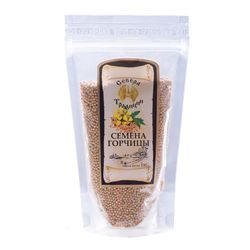
Volume - 160 g
Shelf life - 12 months
Declaration of Conformity - TC No. RU Д-RU.АВ42.В.06395 of 24.04.2014.
Characteristics
- Shelf life
- 12 months
- Volume
- 160 g